Eye Floaters: Causes, Warning Signs and What to Know
Eye floaters are small specks, threads or cobweb-like shapes that drift across vision. Most are a normal result of changes inside the eye, but a sudden change can signal a problem with the retina. This overview explains what floaters are, how they form, who is more likely to notice them, which symptoms need urgent attention, and what nutrition and supplements can and cannot do.
- Eye floaters are shadows from clumps in the vitreous gel and are usually a normal part of aging.
- Posterior vitreous detachment is common and often harmless, but it can sometimes tear the retina.
- A sudden shower of floaters, new flashes of light, or a dark curtain over vision needs urgent eye care.
- Most floaters need no treatment; surgery and laser are reserved for severe cases and carry risks.
- Evidence that supplements remove floaters is lacking, so an eye exam matters more than any product.
What eye floaters are
Floaters are small shapes that seem to move through your field of view. People describe them as dark specks, squiggly lines, strings or cobwebs. They are easiest to see when looking at a plain, bright background such as a clear sky or a white wall[1].
Floaters are not objects on the surface of the eye. They are shadows cast on the retina, the light-sensing layer at the back of the eye, by tiny clumps of material floating inside the eye's gel[1]. Because they move with the eye, they tend to drift away when you try to look straight at them.
For many people floaters are a mild annoyance that they learn to ignore. Others find them distracting, especially when reading or working at a screen. Either way, a new floater is worth mentioning at your next eye exam, and certain changes need prompt attention, as described below.
How floaters happen: the vitreous and aging
The inside of the eye is filled with a clear, jelly-like substance called the vitreous. When you are young, the vitreous is firm and evenly textured. With age it becomes more liquid, and bits of collagen fiber can clump together. Those clumps cast the shadows that you notice as floaters[1][2].
This is why floaters are so common in middle age and later. They are usually part of normal aging rather than a sign of eye disease. Still, they can also be caused by other conditions, such as bleeding or inflammation in the eye, so a new or changing pattern deserves a professional look[2].
Some people notice floaters and wonder whether they point to blurry vision or another vision problem. Floaters on their own do not usually blur sight, although they can briefly get in the way. If blurring is your main concern, see the separate guide on blurry vision.
Posterior vitreous detachment (PVD)
As the vitreous shrinks and changes, it can pull away from the retina. This is called posterior vitreous detachment, or PVD. It is a common, age-related event and is often not sight-threatening[2].
PVD can cause a sudden shower of new floaters. Some people also see flashes of light, often described as brief streaks or lightning-like arcs, usually in the corner or side of vision. The flashes happen because the vitreous tugs on the retina[2].
Most of the time the vitreous separates without harm and symptoms settle as the brain adapts. The concern is that the pulling can sometimes tear the retina. That is why a sudden onset of floaters or flashes should be checked by an eye doctor rather than assumed to be harmless[2][1].
Who is more likely to notice floaters
Floaters can affect anyone, but some factors make them more likely. Eye care organizations list the following[1][2]:
- Older age, since vitreous changes become more common over time
- Nearsightedness (myopia)
- Previous cataract surgery
- Eye injury
- Inflammation inside the eye
- Diabetes-related eye disease and other conditions that affect the retina
Having one of these factors does not mean serious problems will follow. It does mean that regular eye exams and paying attention to symptom changes are especially sensible. People with other retinal conditions, including age-related eye disease such as macular degeneration, should follow their eye doctor's schedule for checkups, since floaters can occur alongside other changes.
Warning signs that need urgent care
Most floaters are harmless, but some patterns can point to a retinal tear or retinal detachment. These are emergencies because the retina can lose function if it is not treated quickly[2][1].
Contact an eye doctor right away if you notice:
- A sudden increase in the number of floaters
- New flashes of light
- A dark shadow or curtain across part of your side vision
- A sudden drop in vision
Do not wait to see whether these settle on their own. An eye doctor can examine the back of the eye with dilating drops to look for tears and decide what care is needed[2]. If you cannot reach your usual doctor, seek emergency eye care.
This page is general information and cannot diagnose any condition. Only an eye doctor can tell you whether your floaters are harmless.
Treatment options and what to expect
Most floaters do not need treatment. They often become less noticeable over time as the brain learns to ignore them and as they settle out of the line of sight[1].
When floaters badly interfere with vision, surgeons may consider removing the vitreous (vitrectomy) or using a laser to break up floaters. Both carry risks, and they are generally reserved for severe cases. The decision should be made with an eye doctor who has examined your eyes[1].
If a retinal tear is found, prompt treatment by an eye specialist is used to try to protect the retina[2]. Your own doctor will explain which approach fits your situation.
Nutrition and supplements: what to know
Many supplement labels suggest they support eye comfort or clear vision. For floaters, though, the physical cause is changes in the vitreous gel, and the treatment options described by eye care organizations are observation, laser or surgery rather than supplements[1]. Evidence that any supplement removes or shrinks floaters is lacking.
General eating habits and healthy lifestyle choices may support overall eye health, and managing conditions such as diabetes matters for the retina[2]. Those steps are not a way to remove existing floaters, and they are no substitute for an eye exam.
If you are considering a supplement, talk with a doctor or pharmacist first, particularly if you take blood thinners or other medicines. Our supplements page reviews common eye-health ingredients and what the evidence does and does not show.
Eye supplements we have reviewed
Want to compare products? Read what the research says about nutrients for eye floaters first, then compare the products below.
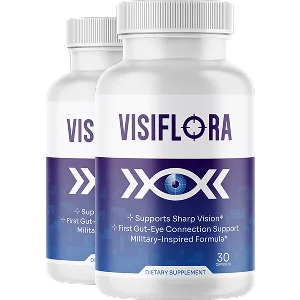
VisiFlora
Listed ingredients include astaxanthin, vitamins C and E, grape seed extract, rutin, quercetin, ginkgo biloba and eyebright. None of these has good evidence for removing or reducing floaters, which come from changes in the vitreous gel. Ginkgo may also interact with some medicines, so ask a doctor or pharmacist first.
Listed ingredients: Astaxanthin, Vitamin C, Vitamin E, Copper, Selenium, Chromium
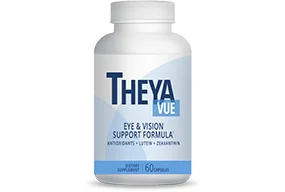
TheyaVue
Listed ingredients include lutein, zeaxanthin, vitamins C and E, zinc, bilberry extract and rutin. These are more often discussed in relation to general eye health than floaters, and there is no good evidence that they remove or reduce floaters.
Listed ingredients: Lutein, Zeaxanthin, Vitamin C, Calcium, Vitamin E, Bilberry Extract
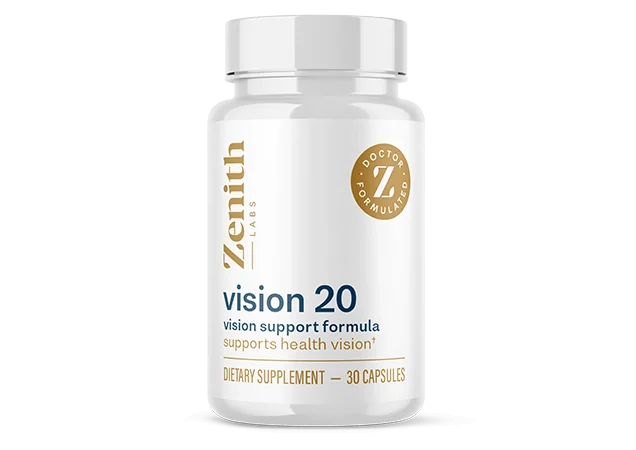
Vision 20
Listed ingredients include lutein, zeaxanthin, zinc, beta-carotene, lycopene, vitamin A (retinyl palmitate), taurine, grape seed extract and bilberry extract. There is no good evidence that any of these treats or removes floaters. It is worth checking vitamin A and beta-carotene amounts with a doctor, especially if you smoke or are pregnant.
Listed ingredients: Lutein, Zeaxanthin, Zinc, Beta-carotene, Lycopene, Rose Hips
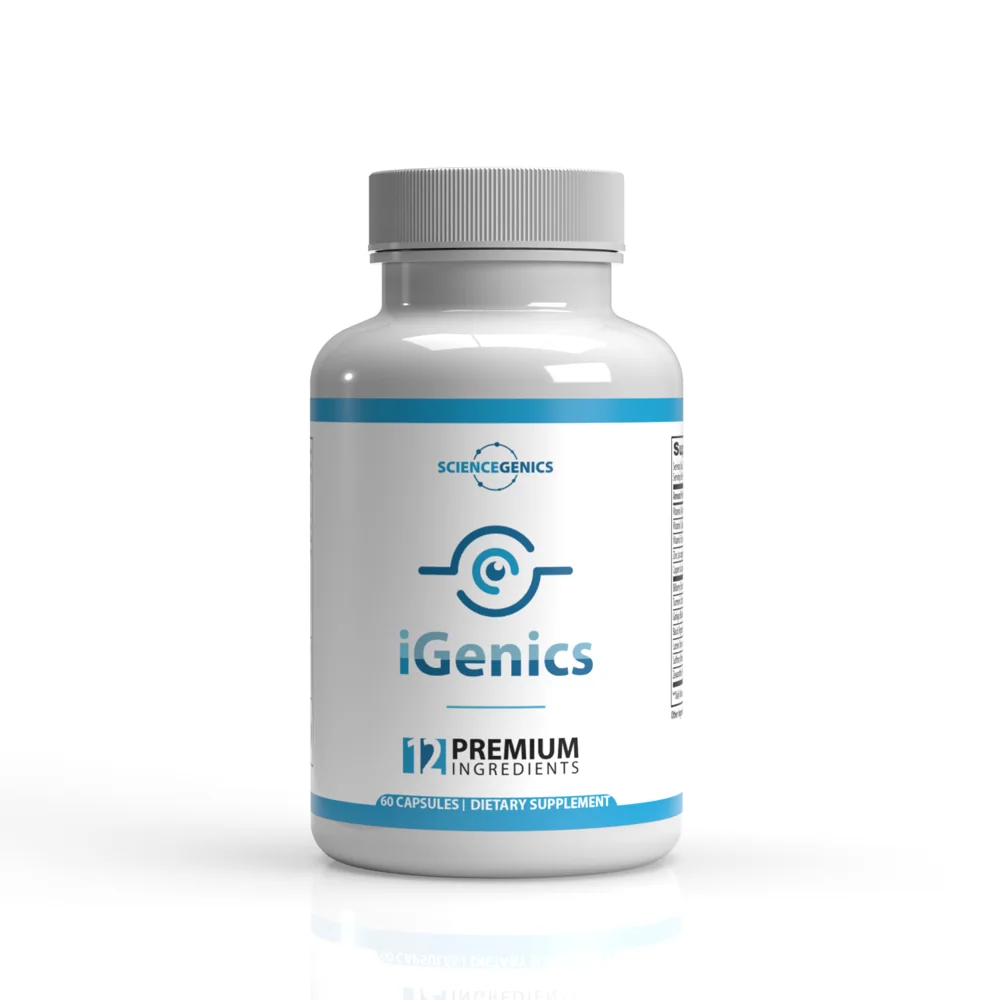
iGenics
Listed ingredients include ginkgo biloba, an AREDS-2-style formula (not itemized), bilberry, saffron and turmeric with BioPerine. AREDS-type formulas are associated with macular health rather than floaters, and there is no good evidence any of these ingredients removes floaters. Ginkgo and BioPerine can interact with some medicines, so check with a doctor or pharmacist.
Listed ingredients: Ginkgo biloba, AREDS-2 formula ingredients (not itemized), Bilberry, Saffron, Turmeric + BioPerine
Frequently asked questions
Are eye floaters dangerous?
Most floaters are a harmless result of changes in the vitreous gel with age[1]. They can occasionally signal a retinal tear or detachment, especially if they appear suddenly or come with flashes or a shadow in vision[2]. An eye doctor can tell the difference.
Do floaters ever go away?
Floaters often become less noticeable over time as the brain adapts and they drift out of the direct line of sight[1]. They may not fully disappear. Treatment is generally limited to severe cases.
Can supplements get rid of eye floaters?
Evidence that supplements remove floaters is lacking. The options described by eye care organizations are observation, laser or surgery for severe cases[1]. Speak with an eye doctor before relying on any product.
When should I see a doctor about floaters?
See an eye doctor right away for a sudden increase in floaters, new flashes of light, or a dark curtain over part of your vision[2]. Any new floater is also worth raising at an eye exam, since a dilated exam can check the retina.