Eye Floaters and Supplements: What Nutrients Can and Cannot Do
Many people who notice eye floaters look for a nutrient or supplement that might make them go away. The sources used for this page describe floaters as a change in the gel inside the eye, and they do not describe any supplement as removing them. This guide explains why floaters happen, which symptoms need urgent attention, how to think about nutrient claims, and how to read an eye supplement label.
- Why eye floaters happen
- Posterior vitreous detachment, flashes and retinal tear warning signs
- What supplements can and cannot do for floaters
- Nutrients people ask about, and what the evidence base here shows
- Food sources, doses and safety
- How to judge an eye supplement label
- What an eye doctor can do that a supplement cannot
- Eye floaters usually come from age-related changes in the vitreous gel, not from a nutrient shortage.
- The sources reviewed do not show that any vitamin, mineral or herb removes floaters.
- A sudden burst of floaters, flashes of light or a shadow in your vision needs an urgent eye exam.
- Judge labels by claims, disclosed amounts and independent testing, and be wary of promises to dissolve floaters.
- Ask a pharmacist or doctor about interactions before starting any eye supplement.
Why eye floaters happen
Floaters are small shapes that drift across your vision. People describe them as specks, strings, threads or cobwebs. They are most noticeable when looking at a plain bright background such as a clear sky or a white wall.[1]
The usual cause is a change in the vitreous, the clear gel that fills the middle of the eye. With age, the gel becomes more liquid, and tiny fibers within it can clump together. These clumps cast shadows on the retina, the light-sensing tissue at the back of the eye, and the shadows are what you see as floaters.[1][2]
This is a structural change. It is not a sign that the eye is short of a vitamin. That distinction matters when judging any product that promises to "clear" floaters.
The National Eye Institute also lists other situations linked to floaters, including nearsightedness, eye inflammation, eye injury and cataract surgery.[1] Because causes vary, a floater that is new or changing deserves an exam rather than a self-chosen remedy.
Posterior vitreous detachment, flashes and retinal tear warning signs
A common reason for a sudden shower of new floaters is posterior vitreous detachment, often shortened to PVD. It happens when the vitreous gel separates from the retina. It is common with aging and is often harmless.[1][2]
The concern is that, as the gel pulls away, it can sometimes tug on the retina hard enough to cause a tear. A tear can lead to retinal detachment, which is an emergency.[1][2]
Contact an eye doctor right away if you notice any of these:
- A sudden increase in the number of floaters
- Flashes of light in one or both eyes
- A shadow or curtain that moves across part of your vision
- A sudden loss of side (peripheral) vision
These are the warning signs described by the National Eye Institute and the American Academy of Ophthalmology.[1][2]
Flashes are a particular reason not to wait. They can occur when the gel pulls on the retina.[2] No nutrient can tell you whether a tear is present. Only a dilated eye exam can.[1]
If your vision has become hazy rather than speckled, the topic of blurry vision is a separate symptom pattern worth raising with your eye doctor.
What supplements can and cannot do for floaters
The sources reviewed for this page do not describe any vitamin, mineral or herbal ingredient as dissolving, shrinking or removing floaters. They describe floaters as a physical change in the vitreous gel and discuss observation, and in some cases procedures, as the options.[1][2]
That is why this site does not claim that a supplement treats or clears floaters. Where research on eye nutrients exists, it generally concerns other questions, and those results should not be stretched to cover floaters.
The National Eye Institute notes that many floaters are harmless and that people often get used to them or notice them less over time.[1] That is a useful reference point. If floaters seem to fade after a few months, a supplement taken in that period may get the credit without having done anything.
A supplement may still have a place in a general eating plan, but it should not delay an exam. Waiting for a product to work while a retinal tear goes unchecked is the main risk of the "try a supplement first" approach.
Nutrients people ask about, and what the evidence base here shows
Eye supplements often combine several of the same ingredients. The most common are listed below with a plain statement of what the sources for this page do and do not show.
Lutein and zeaxanthin
These plant pigments are among the most frequently listed eye ingredients. None of the sources used here report that they affect floaters. Labels that feature them often refer to macular degeneration, which is a separate condition affecting the central retina. A claim about one condition does not carry over to the other.
Vitamins C and E, zinc, copper and selenium
These appear in many eye formulas. The sources used for this page do not report that they reduce or remove floaters, so no floater-related benefit can be stated.
Bilberry, grape seed extract, rutin, quercetin and astaxanthin
These plant-derived ingredients are often marketed for "eye comfort" or "circulation." The sources used here do not address them in relation to floaters, and no benefit for floaters can be claimed.
Ginkgo biloba, taurine, alpha lipoic acid and eyebright
These are also common on eye product labels. Again, the sources reviewed do not show that any of them changes floaters. Evidence is limited or absent for this specific purpose.
This is not a statement that these nutrients have no value for any purpose. It is a statement that, for floaters, the available sources show nothing to support them. A good rule is that a nutrient should be judged against the specific problem it is sold for.
Food sources, doses and safety
The sources for this page do not set nutrient doses for floaters or point to specific foods that affect them, so no dose targets are given here. Quoting numbers without support would suggest a precision the evidence does not have.
What can be said in practical terms:
- A varied eating pattern with plenty of vegetables, fruit, whole grains and sources of protein is a sensible foundation for general eye health and overall health. It is not a floater remedy.
- If you consider a supplement, ask a pharmacist or doctor whether it suits your health conditions and medicines. This matters most if you take blood thinners, have a bleeding disorder, are pregnant or breastfeeding, or have surgery planned.
- Multiple products can repeat the same ingredient. Add up what you take from all sources, including multivitamins, before adding another.
- Stop a product and speak to a clinician if you develop new symptoms after starting it.
A "natural" label does not guarantee safety. Herbal extracts can affect the body, and the ingredient list should be treated with the same care as any medicine.
One safety point is specific to this topic. Do not let a supplement trial stand in for an exam when flashes, a sudden burst of floaters or a shadow in your vision appear.[1][2]
How to judge an eye supplement label
Use these checks before buying anything marketed for eye symptoms.
1. Look at the claim. Wording such as "dissolves floaters," "clears debris" or "restores vision" is a red flag. The sources used here describe floaters as a gel change that is managed by observation or, in some cases, a procedure.[1][2] A product cannot honestly promise more than that.
2. Check whether the claim matches the evidence. Testimonials and before-and-after stories are not evidence. A study of another eye condition does not show an effect on floaters.
3. Read the amounts. The label should show the amount of each active ingredient. A "proprietary blend" that lists only a total weight makes it impossible to tell how much of each ingredient you are getting.
4. Watch for undisclosed formulas. A phrase such as "based on a research formula" without itemized ingredients tells you very little.
5. Count the ingredients. Long lists of many herbs and extracts in small amounts are hard to evaluate and can raise the chance of an unwanted effect or interaction.
6. Look for independent testing. A third-party quality seal, where present, suggests the contents match the label. It does not show the product works.
7. Be wary of urgency. Countdown timers, "doctors hate this" language and pressure to buy now are marketing tactics and not signs of quality.
If a label passes these checks, it is still only a supplement. It is not a diagnostic step and not a treatment.
What an eye doctor can do that a supplement cannot
A dilated eye exam allows an eye doctor to look at the vitreous and the retina, check for a tear or detachment, and tell you whether your floaters are the harmless kind.[1][2]
For most people, no treatment is needed. When floaters are numerous or interfere with vision, the National Eye Institute describes procedures such as vitrectomy, which removes the vitreous, and laser treatment. These carry risks and are not right for everyone.[1] That decision belongs to you and an eye specialist.
MedlinePlus also stresses that vision changes should be checked by an eye care professional and not ignored.[3]
In short, nutrition has a supporting role in general health. For floaters, the proven steps are an exam, attention to warning signs, and a discussion of options with your doctor.
Eye supplements we have reviewed
These are the 4 eye-health supplements we have reviewed on HealthSupplements.best. None of them is proven to treat or prevent eye floaters; talk to your eye doctor before starting any supplement, especially if you take other medicines.
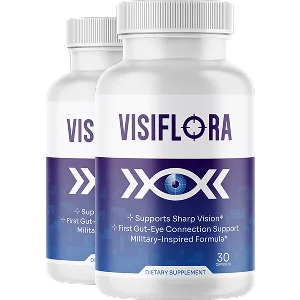
VisiFlora
Its listed ingredients include astaxanthin, vitamins C and E, grape seed extract, rutin, quercetin, taurine, ginkgo biloba and eyebright. The sources reviewed do not show that any of these remove or reduce floaters, and evidence for that purpose is limited or absent.
Listed ingredients: Astaxanthin, Vitamin C, Vitamin E, Copper, Selenium, Chromium
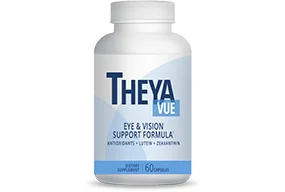
TheyaVue
Its listed ingredients include lutein, zeaxanthin, vitamins C and E, zinc, bilberry extract and rutin. These are common eye-formula ingredients, but the sources reviewed do not show that they affect floaters.
Listed ingredients: Lutein, Zeaxanthin, Vitamin C, Calcium, Vitamin E, Bilberry Extract
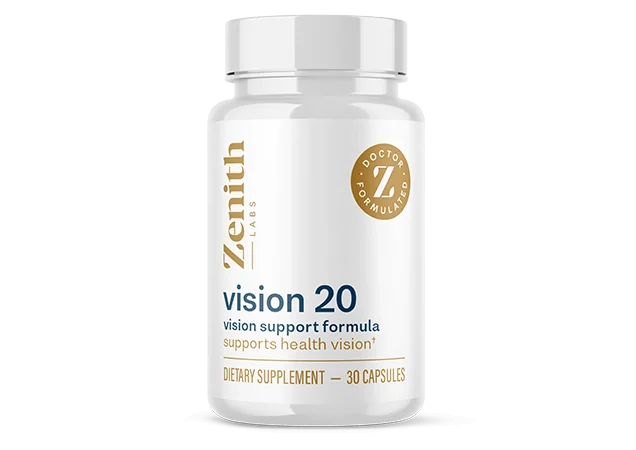
Vision 20
Its listed ingredients include lutein, zeaxanthin, zinc, beta-carotene, vitamin A, taurine, grape seed extract and bilberry extract. No good evidence in the sources reviewed links these to removing floaters, and anyone considering vitamin A or beta-carotene should check amounts with a pharmacist or doctor.
Listed ingredients: Lutein, Zeaxanthin, Zinc, Beta-carotene, Lycopene, Rose Hips
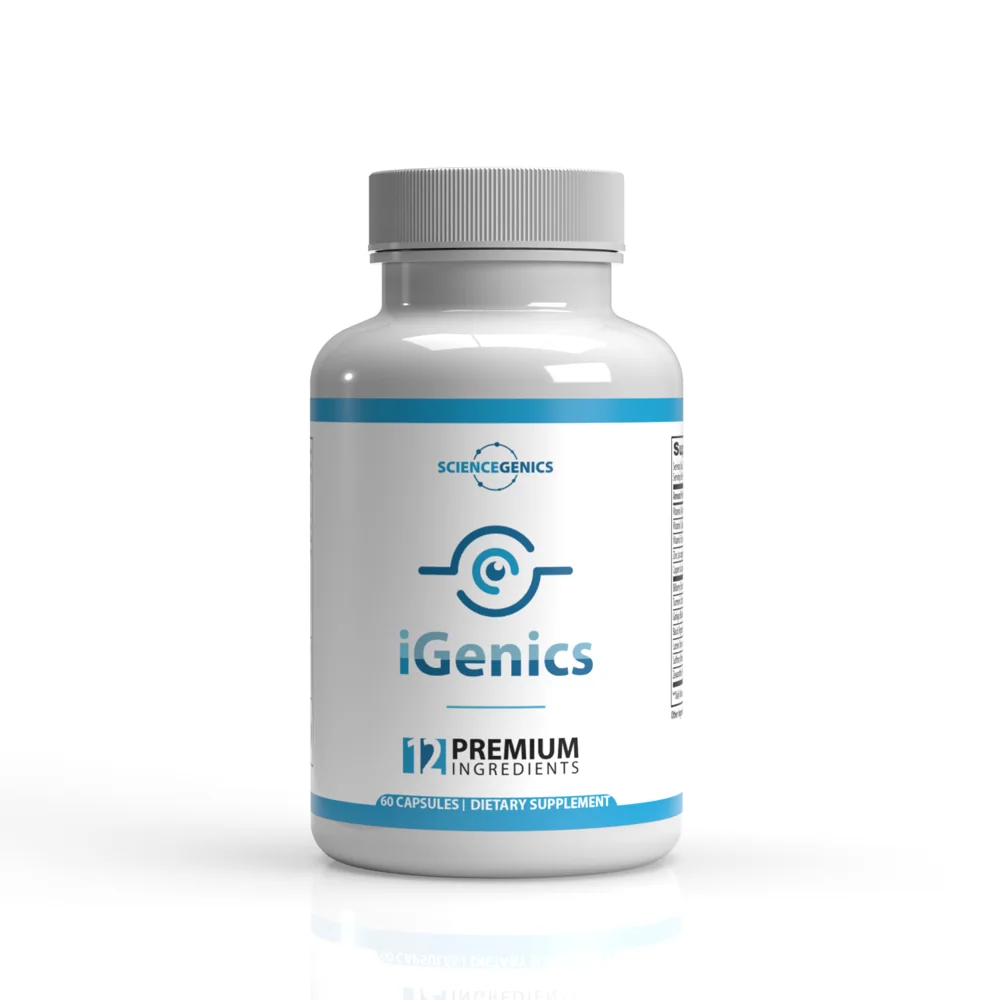
iGenics
It lists ginkgo biloba, bilberry, saffron, turmeric and an AREDS-2-style formula that is not itemized. That non-itemized formula makes the amounts impossible to judge from the label, and the sources reviewed do not show these ingredients help with floaters.
Listed ingredients: Ginkgo biloba, AREDS-2 formula ingredients (not itemized), Bilberry, Saffron, Turmeric + BioPerine
Frequently asked questions
Can supplements get rid of eye floaters?
The sources used for this page do not describe any supplement as removing floaters. Floaters are caused by changes in the vitreous gel, and the options discussed are observation or, in some cases, a procedure.[1][2] Talk to an eye doctor about what is right for you.
Are new floaters and flashes an emergency?
They can be. A sudden increase in floaters, flashes of light, or a shadow over part of your vision may signal a retinal tear or detachment, which needs prompt care.[1][2] Do not wait to see whether a supplement helps.
Do floaters go away on their own?
Many floaters are harmless, and people often notice them less over time as they adjust.[1] Any new or changing floaters should still be checked by an eye doctor.
What should I check on an eye supplement label?
Look for claims that avoid promises about floaters or vision, a clear list of amounts per ingredient, and independent testing. Avoid vague blends and urgent sales language, and ask a pharmacist about interactions with your medicines.