Eye Floaters: Signs, Symptoms, Diagnosis and Red Flags
Eye floaters are small shapes that drift across vision, and most are a harmless part of aging. A sudden change, though, can signal a problem in the retina that needs prompt attention. This page explains what floaters and flashes look like, how they are diagnosed, which warning signs call for same-day care, and what an exam involves.
- Most floaters come from age-related changes in the vitreous gel and are usually harmless, but a new or sudden change needs an exam.
- A sudden increase in floaters, new flashes, or a dark curtain or shadow in your vision calls for same-day eye care.
- Only a dilated eye exam can tell harmless floaters or PVD from a retinal tear.
- Treatment is usually not needed, though surgery or laser may be considered for severe cases.
- Supplements are not an established way to remove floaters and should never delay an exam.
What eye floaters look like
Floaters are specks, dots, threads, squiggly lines, rings or cobweb-like shapes that seem to drift through the field of vision. They are most noticeable when looking at a plain, bright background such as a blue sky, a white wall or a computer screen.[1]
Floaters move as the eyes move. When you try to look directly at one, it tends to dart away. This is a useful clue: the shape is inside the eye, not on the screen or the wall.[2]
Common features include:
- Small dark or gray spots, strands or cobweb shapes
- Shapes that shift when the eyes move and slowly settle when they stop
- More visibility in bright light or against light backgrounds
- Flashes of light, which look like brief lightning streaks or camera flashes, usually in the corner of vision[2]
Floaters are different from generally blurry vision, which affects the whole picture rather than creating moving shapes. If both occur together, mention both to an eye doctor.
Why floaters and flashes happen
The inside of the eye is filled with a clear, gel-like substance called the vitreous. With age, the vitreous can become more liquid and clump or shrink. The clumps cast tiny shadows on the retina, the light-sensing tissue at the back of the eye, and those shadows are what people see as floaters.[1]
As the vitreous shrinks, it can pull away from the retina. This is called posterior vitreous detachment, or PVD. It is common with aging and often causes a sudden increase in floaters.[1][2]
Flashes of light can happen when the vitreous tugs on the retina. The retina responds as if it had received a light signal.[2]
Most of the time, PVD does not damage the retina. In some cases, the pulling can tear the retina, and a tear can lead to retinal detachment, which threatens vision.[1] That is why a new burst of floaters or flashes should be checked rather than assumed to be harmless.
Red flags that need urgent or same-day eye care
Most long-standing floaters that have not changed are not an emergency. A new or changing pattern is different. Contact an eye doctor right away, and go to an emergency department if one is not available, if any of the following occur:
- A sudden increase in the number of floaters
- New flashes of light
- A dark shadow, curtain or veil over part of your side (peripheral) vision
- A sudden drop in vision or a gray area in the field of view[1][2]
These can be signs of a retinal tear or detachment. Treating a tear or detachment early offers the best chance of protecting sight, so waiting to see whether symptoms settle is not a good plan.[1]
Also seek prompt care if floaters follow an eye injury or eye surgery, or if you have other eye conditions or a history of retinal problems. Your doctor can tell you how quickly to be seen.
If you are unsure whether a change is "sudden enough," err on the side of calling. An eye care office would rather screen a harmless floater than miss a tear.
How eye floaters are diagnosed
Diagnosis starts with a conversation about your symptoms. Expect questions about when the floaters began, whether the number has changed, whether you see flashes, and whether any part of your vision is missing or shadowed. Mention past eye surgery, injuries, nearsightedness and any eye disease.
The key test is a dilated eye exam. The doctor puts drops in your eyes to widen the pupils, which allows a clear view of the vitreous and the retina, including the outer edges where tears often form.[1][2]
The exam is how a doctor distinguishes harmless floaters from PVD and from a retinal tear. Symptoms alone cannot make that distinction, because they can feel similar.[2]
What to expect at an eye exam
A typical visit for floaters may include:
- Vision check: reading an eye chart to measure sharpness
- Dilating drops: these take a few minutes to work and can cause light sensitivity and blur for several hours
- Retina and vitreous exam: the doctor uses a bright light and special lenses to look inside the eye, sometimes pressing gently on the outside of the eye to see the periphery
- Imaging, if needed: some offices take photos or scans of the retina
Plan for the dilation. Bring sunglasses and, if possible, arrange for someone to drive you home, since near vision may be blurry and bright light uncomfortable for a while.[3]
If the exam finds a tear or detachment, the doctor will discuss treatment options right away. If it finds only PVD or ordinary floaters, you will usually be told what changes to watch for and when to return.
After the exam: follow-up and treatment
If the retina is healthy, floaters typically need no treatment. Many fade or become less bothersome over time as the brain adapts to them and the debris settles out of the line of sight.[1]
Treatment is considered mainly when floaters are severe enough to interfere with vision. Surgery to remove the vitreous (vitrectomy) is one option, but it carries risks, so it is reserved for serious cases.[1] Laser treatment has also been used in some cases. Your eye doctor can explain whether either makes sense for you.[2]
Because PVD can progress, doctors often advise a follow-up visit after the first exam and instruct patients to return immediately if symptoms change. Keep that guidance in mind during the weeks after a new onset.
Regular checkups are also part of general eye health. They can catch other conditions, such as macular degeneration, that cause different symptoms from floaters, such as distorted or missing central vision.[3]
Where supplements fit
Supplements are not a recognized way to remove floaters. The sources used for this page describe diagnosis and the medical options above and do not present any supplement as removing floaters.[1][2]
The larger risk is delay. Someone with a new burst of floaters or flashes who takes a supplement and waits could lose valuable time. Anyone with symptoms should be examined first. Any supplement decision should be discussed with an eye doctor or pharmacist, especially if you take blood thinners or other medicines.
Eye supplements we have reviewed
Want to compare products? Read what the research says about nutrients for eye floaters first, then compare the products below.
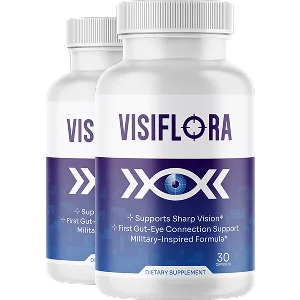
VisiFlora
Listed ingredients: Astaxanthin, Vitamin C, Vitamin E, Copper, Selenium, Chromium

TheyaVue
Listed ingredients: Lutein, Zeaxanthin, Vitamin C, Calcium, Vitamin E, Bilberry Extract

Vision 20
Listed ingredients: Lutein, Zeaxanthin, Zinc, Beta-carotene, Lycopene, Rose Hips

iGenics
Listed ingredients: Ginkgo biloba, AREDS-2 formula ingredients (not itemized), Bilberry, Saffron, Turmeric + BioPerine
Frequently asked questions
Are eye floaters normal?
Floaters are common and often result from age-related changes in the vitreous gel.[1] Even so, only an eye exam can confirm that a particular floater is harmless, especially if it is new.
When should I go to the doctor for floaters and flashes?
Get care right away for a sudden increase in floaters, new flashes of light, or a shadow or curtain over part of your vision.[1][2] These can signal a retinal tear or detachment, and early treatment is important.
Do floaters go away on their own?
Some become less noticeable over time as they settle or as the brain adapts.[1] Others persist. A change in your floaters should be re-checked rather than assumed to be part of this process.
Can supplements get rid of floaters?
No supplement is established as a way to remove floaters. The sources cited here describe medical evaluation and, in severe cases, procedures.[1][2] Talk with an eye doctor before relying on any product.