Eye Floaters: Treatment, Home Care and What Not to Rely On
Most eye floaters are a harmless result of changes inside the eye and need no treatment. Still, a sudden change can signal a problem with the retina, so knowing what to watch for matters as much as knowing what to do at home. This page covers what an eye doctor may offer, sensible daily habits, and the claims worth ignoring.
- Most eye floaters are harmless and need only monitoring after an eye doctor confirms the retina is healthy.
- Sudden new floaters, flashes of light, or a shadow in vision need urgent care.
- Vitrectomy and laser are options only for severe floaters, and both carry risks.
- Eye movements and lighting changes can make floaters less noticeable, but nothing at home removes them.
- Evidence does not support supplements for removing floaters, and they should never delay an exam.
Most eye floaters do not need treatment
Floaters are small shapes that drift across vision, often described as spots, threads, or cobwebs. They are usually caused by changes in the gel-like vitreous inside the eye, and they are most noticeable against a bright, plain background[1].
Many floaters are not a sign of serious disease. Over time, people often notice them less as the brain adapts, and some seem to settle out of the line of sight[1]. For this reason, an eye doctor will often recommend monitoring rather than any procedure, once a exam has shown the retina is healthy.
A first-time floater still deserves a professional look. Only an exam can tell a harmless floater from one linked to a retinal problem[2].
Warning signs that need urgent care
Some changes call for a same-day call to an eye doctor or emergency care. These can be signs of a retinal tear or detachment, where quick evaluation matters[1][2].
- A sudden shower of new floaters
- New flashes of light, especially in one eye
- A shadow, curtain, or dark area moving across part of the vision
- A noticeable drop in side (peripheral) vision
Do not wait to see whether these settle. Describe exactly what changed and when it started. If the eye doctor's office is closed, go to an emergency department.
For background on why these symptoms happen, see the related guidance on eye health.
Medical treatments an eye doctor may use
The first step is usually a dilated eye exam, which lets the doctor look at the vitreous and retina[2]. The result decides what happens next.
Observation
If the exam shows no tear or other problem, the usual plan is to monitor. The doctor may ask to be contacted promptly if symptoms change[2].
Treatment for a retinal tear
If a tear or detachment is found, the treatment is directed at the retina itself, not at the floater. The right approach depends on the findings, and the eye doctor will explain the options[2].
Procedures for severe floaters
In rare cases, floaters are dense enough to interfere with daily vision. Two options are sometimes discussed: vitrectomy, a surgery that removes the vitreous and floaters with it, and laser treatment aimed at breaking up floaters[1][2].
Both carry risks. Vitrectomy can cause complications such as retinal tears or detachment, and laser results and safety depend on the case[1][2]. Because most floaters are harmless, these procedures are generally reserved for people whose vision is significantly affected. A retina specialist can explain whether the benefits outweigh the risks in a specific case.
Daily habits and home care
Nothing done at home removes floaters, but a few habits can make them easier to live with and help catch changes early.
- Move the eyes. Looking up and down or side to side can shift the fluid in the eye and move a floater out of the way temporarily[1].
- Adjust lighting and screens. Floaters stand out against bright, plain backgrounds. Using a darker background or dimmer screen may reduce how visible they are.
- Take screen breaks. Rest does not change floaters, but it can ease general eye strain that makes vision feel worse.
- Notice the baseline. Pay attention to how many floaters are usual, so a sudden change is easier to spot.
- Keep scheduled eye exams. Regular exams catch retinal problems early, including ones without obvious symptoms[3].
If floaters bring worry or frustration, tell the eye doctor. Being heard, and understanding what is normal, often helps.
Prevention: what can and cannot be done
Most floaters come from age-related changes in the vitreous, so there is no reliable way to prevent them[1]. Posterior vitreous detachment, a common cause, is part of how the eye ages and cannot be stopped with a habit or product[2].
What can be done is lowering the chance of missing a serious problem:
- Get a prompt exam after any sudden change.
- Keep up with regular eye exams, especially with risk factors such as nearsightedness, past eye surgery, or eye injury. Ask the eye doctor which apply.
- Wear protective eyewear during activities with a risk of eye injury.
- Manage general health conditions, and follow the eye doctor's advice on them.
Symptoms such as blurry vision are separate from floaters and can have other causes, so they also deserve an exam rather than guesswork[3].
What not to rely on
Floaters attract a lot of marketing. A few cautions help.
Supplements. Evidence is limited to nonexistent for any supplement removing or shrinking floaters, and none of the sources used here describe supplements as a way to do so[1][2]. Some eye supplements were studied for other conditions, such as macular degeneration, which is a different problem and does not mean they help floaters. A supplement should never delay an exam.
"Wait and see" after warning signs. Sudden flashes, a shower of floaters, or a shadow in vision should not be handled at home[2].
Eye drops, eye exercises, and online cures. No home method has good evidence for clearing floaters. Claims of fast results or guaranteed removal are a red flag.
Self-diagnosis. Online images cannot show the retina. Only a dilated exam can.
Supplements are not a substitute for diagnosis or treatment. An eye doctor is the right person to ask about anything that affects vision.
Eye supplements we have reviewed
Want to compare products? Read what the research says about nutrients for eye floaters first, then compare the products below.
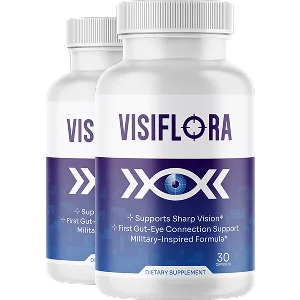
VisiFlora
Listed ingredients: Astaxanthin, Vitamin C, Vitamin E, Copper, Selenium, Chromium

TheyaVue
Listed ingredients: Lutein, Zeaxanthin, Vitamin C, Calcium, Vitamin E, Bilberry Extract

Vision 20
Listed ingredients: Lutein, Zeaxanthin, Zinc, Beta-carotene, Lycopene, Rose Hips

iGenics
Listed ingredients: Ginkgo biloba, AREDS-2 formula ingredients (not itemized), Bilberry, Saffron, Turmeric + BioPerine
Frequently asked questions
Do eye floaters go away on their own?
Floaters often become less noticeable over time as the brain adapts, and some move out of the line of sight[1]. They do not always disappear fully. Any sudden change should be checked by an eye doctor.
Can eye floaters be removed without surgery?
No home method or supplement has good evidence for removing floaters. Laser treatment is sometimes discussed, but it has risks and is not right for everyone[1][2]. An eye doctor can explain which options, if any, fit a specific case.
When should floaters be treated as an emergency?
A sudden shower of new floaters, flashes of light, or a shadow or curtain across vision can signal a retinal tear or detachment[1][2]. These need prompt evaluation by an eye doctor or emergency care, not a wait-and-see approach.
Is surgery for floaters common?
No. Most floaters are harmless, so doctors usually recommend monitoring. Vitrectomy is generally considered only when floaters seriously interfere with vision, because the surgery has risks[1][2].