Eye Floaters FAQ: Your Most Common Questions Answered
Seeing new spots or squiggles drift across your vision can be unsettling. Most eye floaters come from normal changes inside the eye, but a sudden change can signal a problem that needs prompt attention. These answers explain what is known, what the warning signs are, and where supplements fit, and none of this replaces an exam by an eye doctor.
- Most floaters come from age-related changes in the gel inside the eye and are often harmless[1].
- A sudden increase in floaters, new flashes, or a shadow in your vision needs urgent eye care[2].
- Posterior vitreous detachment is common, but an exam is needed to check for a retinal tear[2].
- The sources reviewed do not describe supplements as a way to remove floaters[1].
- Only an eye doctor can tell harmless floaters from a sight-threatening problem.
Start here: when floaters are an emergency
A sudden shower of new floaters, new flashes of light, or a dark shadow or curtain across part of your vision should be checked by an eye doctor right away, the same day if possible[1][2].
These can be signs of a retinal tear or detachment. Do not wait to see whether the symptoms settle on their own.
About supplements and floaters
Many online ads suggest a formula can clear floaters. The sources used for this page describe watching and waiting, and in rare severe cases surgery, as the options. They do not describe supplements as a way to remove floaters[1]. General interest in eye health and nutrition is reasonable, but it is a different question from whether a pill removes floaters that already exist.
Eye supplements we have reviewed
Want to compare products? Read what the research says about nutrients for eye floaters first, then compare the products below.
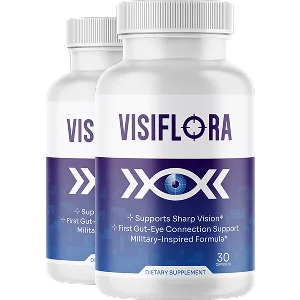
VisiFlora
Listed ingredients: Astaxanthin, Vitamin C, Vitamin E, Copper, Selenium, Chromium
TheyaVue
Listed ingredients: Lutein, Zeaxanthin, Vitamin C, Calcium, Vitamin E, Bilberry Extract
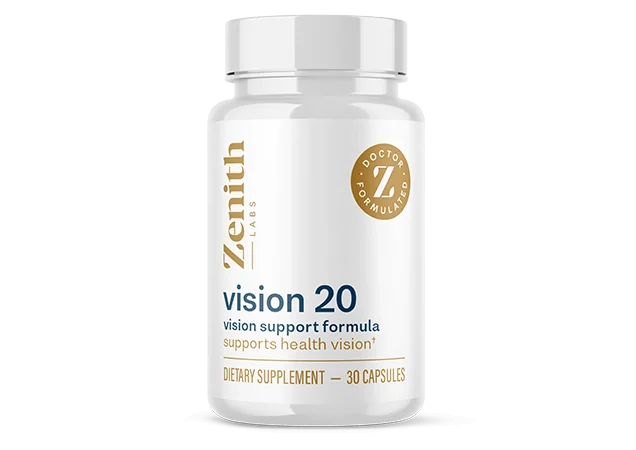
Vision 20
Listed ingredients: Lutein, Zeaxanthin, Zinc, Beta-carotene, Lycopene, Rose Hips

iGenics
Listed ingredients: Ginkgo biloba, AREDS-2 formula ingredients (not itemized), Bilberry, Saffron, Turmeric + BioPerine
Frequently asked questions
What are eye floaters?
Eye floaters are small specks, dots, circles, lines, or cobweb-like shapes that drift through your field of vision. They are shadows cast on the retina by tiny clumps of material in the gel-like vitreous inside the eye[1]. They are often easiest to notice against a plain bright background, such as a clear sky or a white wall.
Why do I have eye floaters?
The most common cause is age-related change in the vitreous. The gel can shrink and become stringy or clumped, and those clumps cast shadows on the retina[1][2]. Other eye conditions can also cause floaters, which is one reason a new or changing pattern deserves an exam.
What is posterior vitreous detachment (PVD)?
PVD happens when the vitreous gel pulls away from the retina at the back of the eye. It is a common, age-related event and often causes a sudden increase in floaters[2]. PVD is often not sight-threatening on its own, but in some people the pulling can tear the retina, so a dilated eye exam is advised when it starts[2].
Why do I see flashes of light along with floaters?
Flashes can occur when the vitreous tugs on the retina, which the brain may interpret as a flash or streak of light[2]. Flashes alongside new floaters are a reason to be examined promptly. Do not assume they are harmless without a check.
What are the warning signs of a retinal tear or detachment?
Warning signs include a sudden increase in the number of floaters, new flashes of light, and a dark shadow or curtain moving across part of your vision[1][2]. Any of these calls for an urgent eye exam. A retinal detachment is a medical emergency that needs treatment by an eye surgeon.
Do eye floaters go away on their own?
Floaters do not always disappear, but many become less noticeable over time. They may settle out of your direct line of sight, and the brain often learns to ignore them[1]. If they stay bothersome or keep changing, tell your eye doctor.
Can supplements remove or dissolve eye floaters?
The sources reviewed for this page do not describe supplements as a way to remove or dissolve floaters[1]. Evidence for floater-specific benefit is limited, and any product claiming otherwise should be treated with caution. A supplement also cannot replace an exam, because the main goal is ruling out a retinal tear.
Is there any treatment for floaters?
Most floaters need no treatment. For severe floaters that interfere with vision, surgery to remove the vitreous (vitrectomy) is an option, but it carries risks, so it is generally reserved for serious cases[1]. Whether any procedure suits you is a decision to make with a retina specialist.
Are floaters the same as blurry vision?
No. Floaters are moving shapes or shadows, while blurry vision means things look out of focus. Many different conditions can affect sight, and new or worsening vision changes should be evaluated rather than guessed at[3]. If you notice both floaters and blurring, mention both at your visit.
Are floaters a sign of macular degeneration?
Floaters and macular degeneration are separate topics. Floaters usually reflect changes in the vitreous gel[1]. If you have concerns about other vision changes, ask your eye doctor for a full exam rather than relying on floaters as a guide.